
Andreas
BURMESTER
writer and photographer at heart
Lights out Berlin




Heartlands
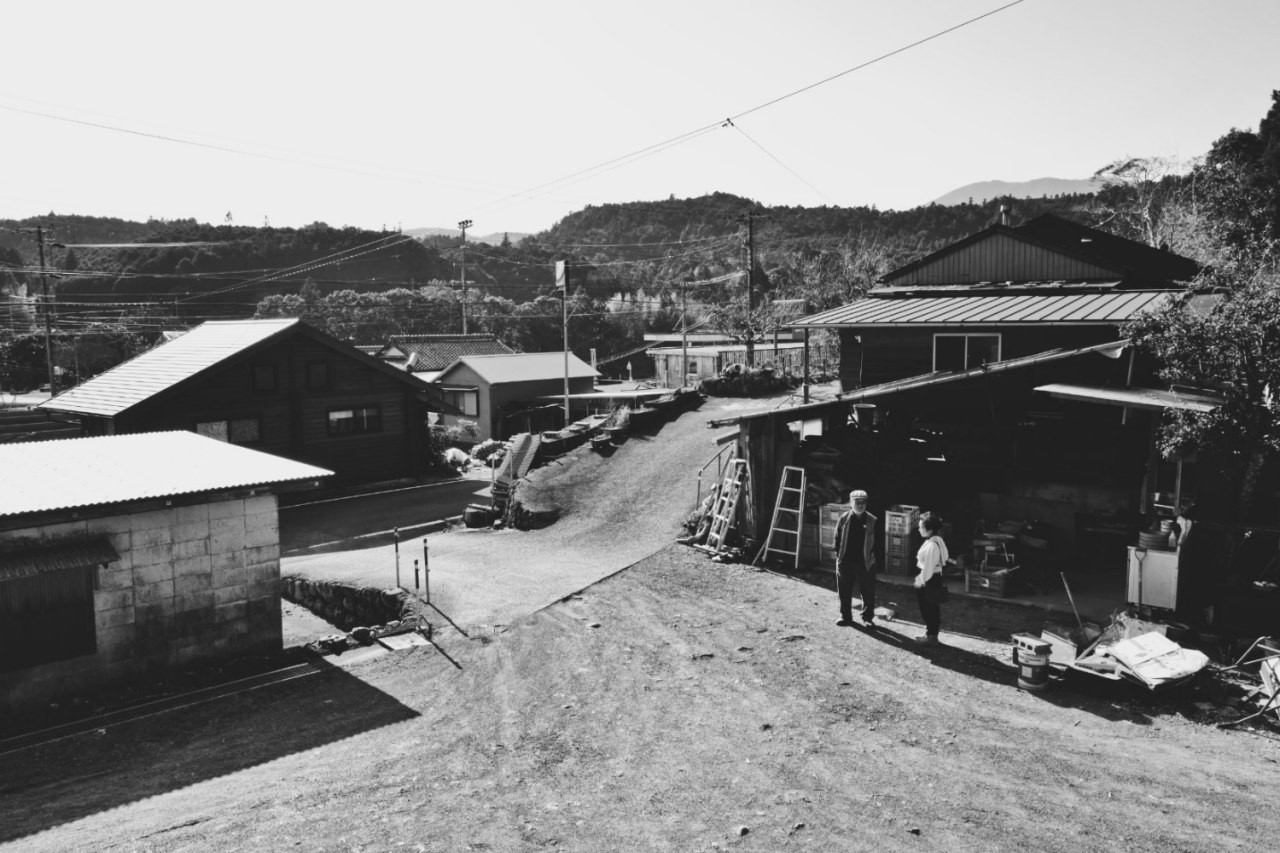
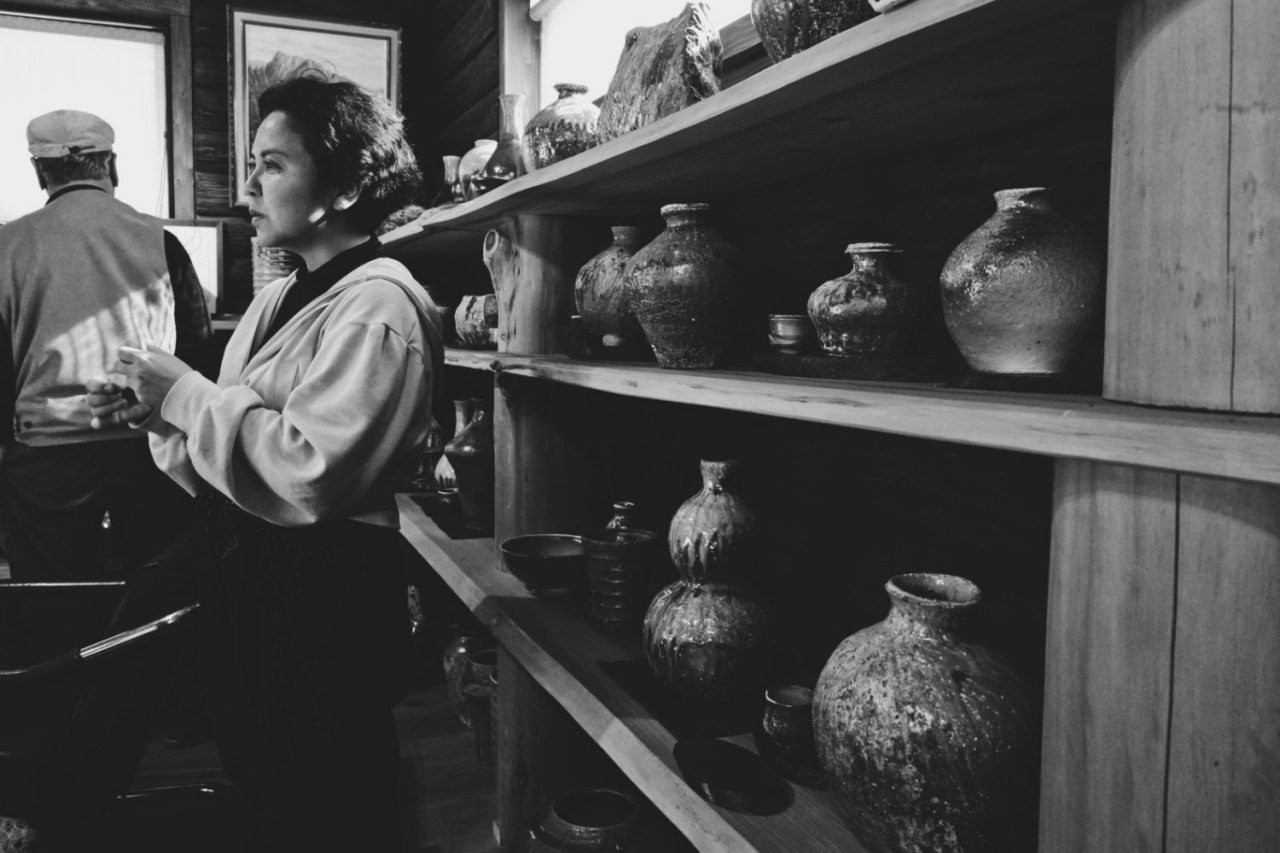
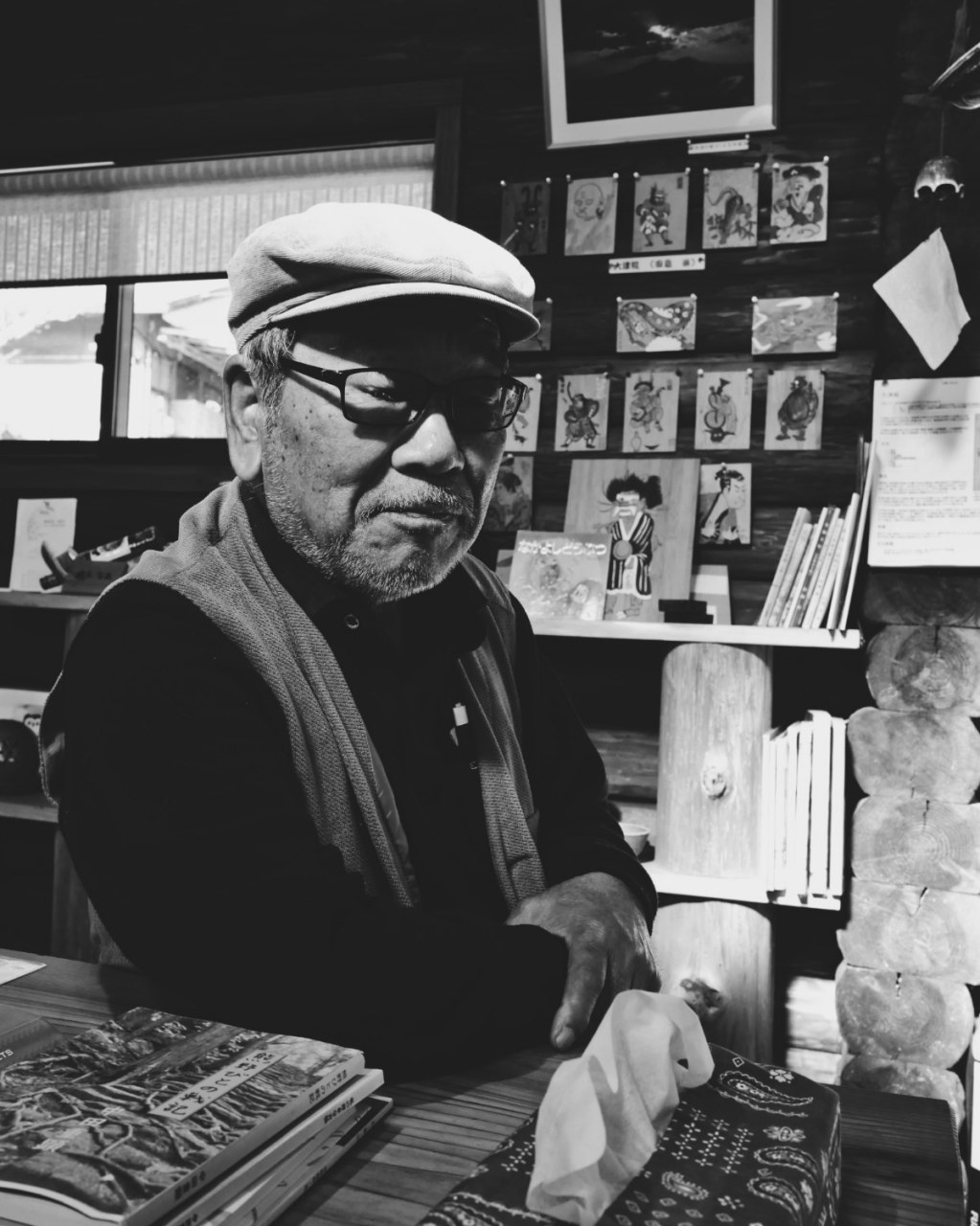
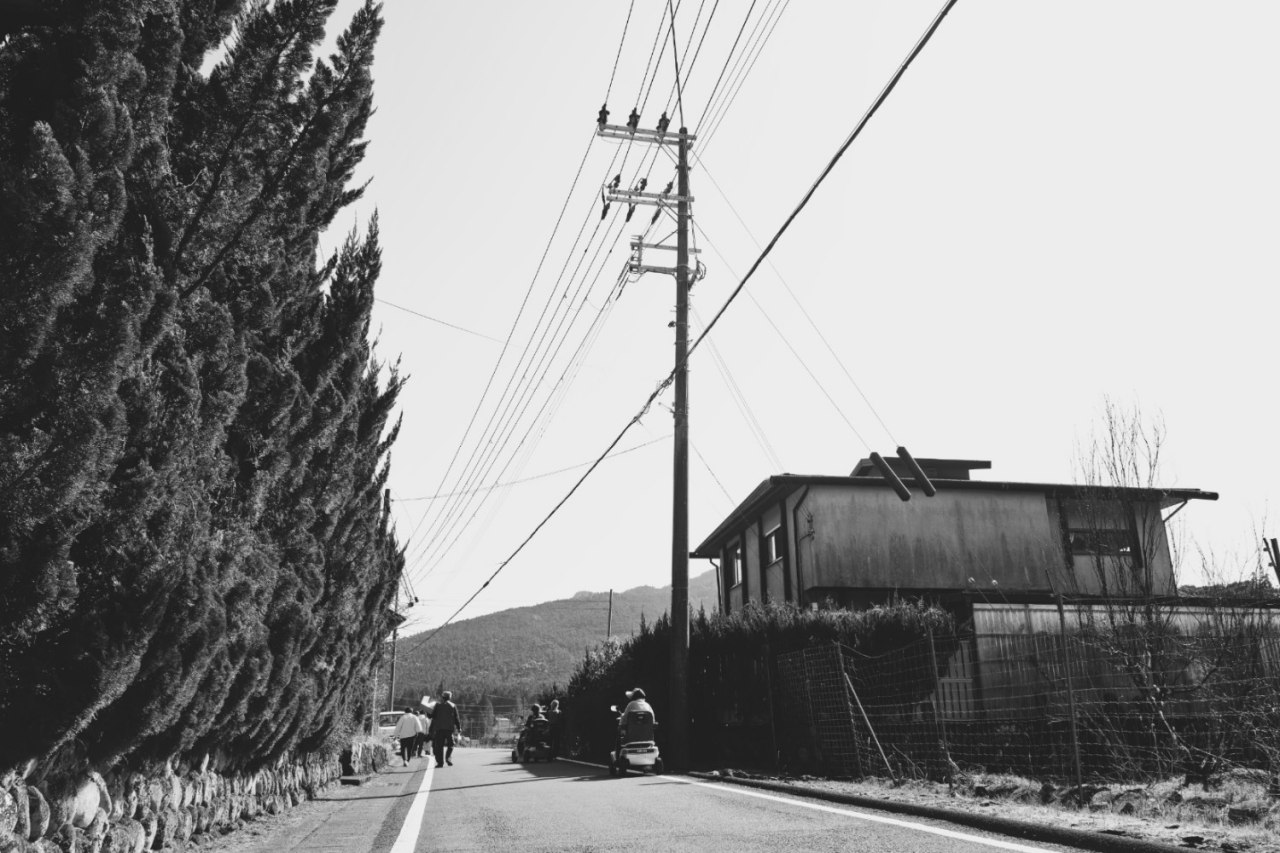
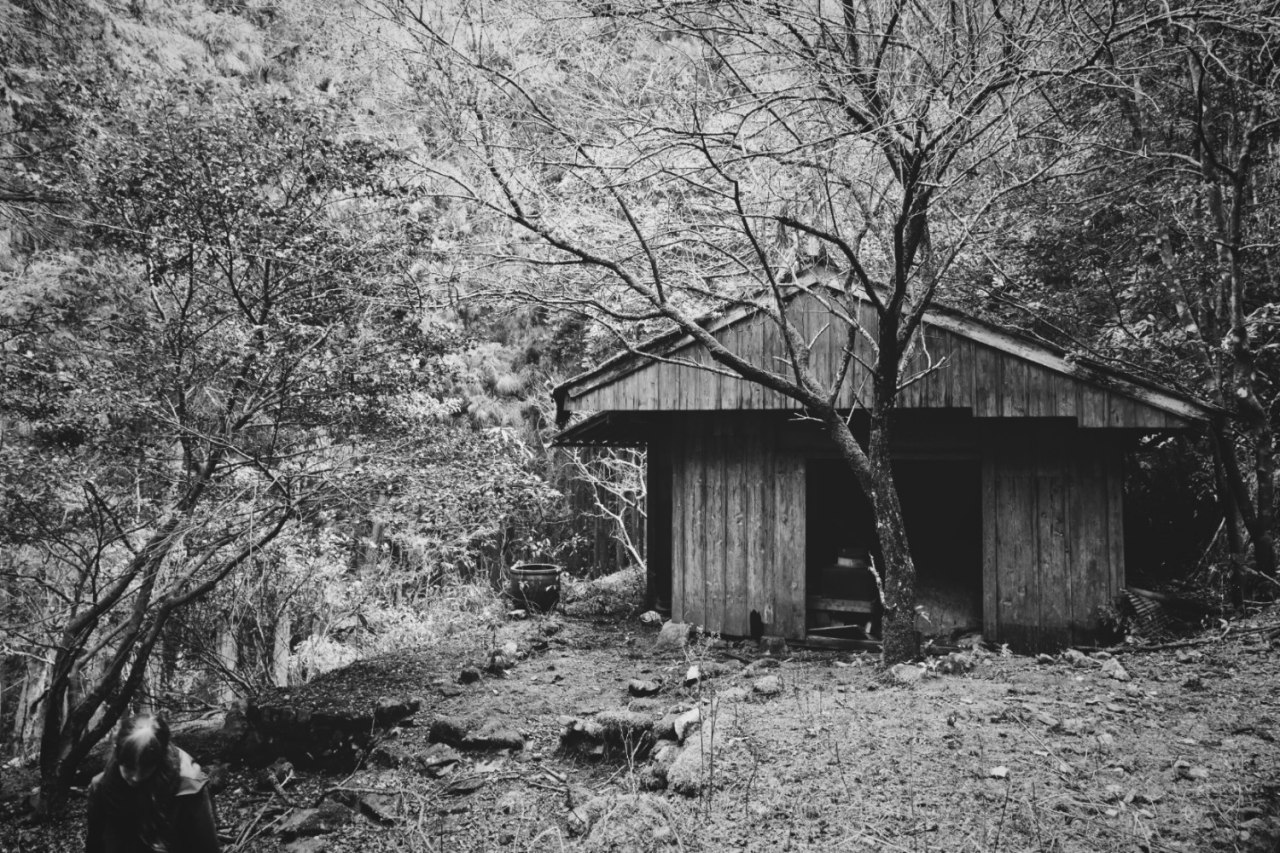
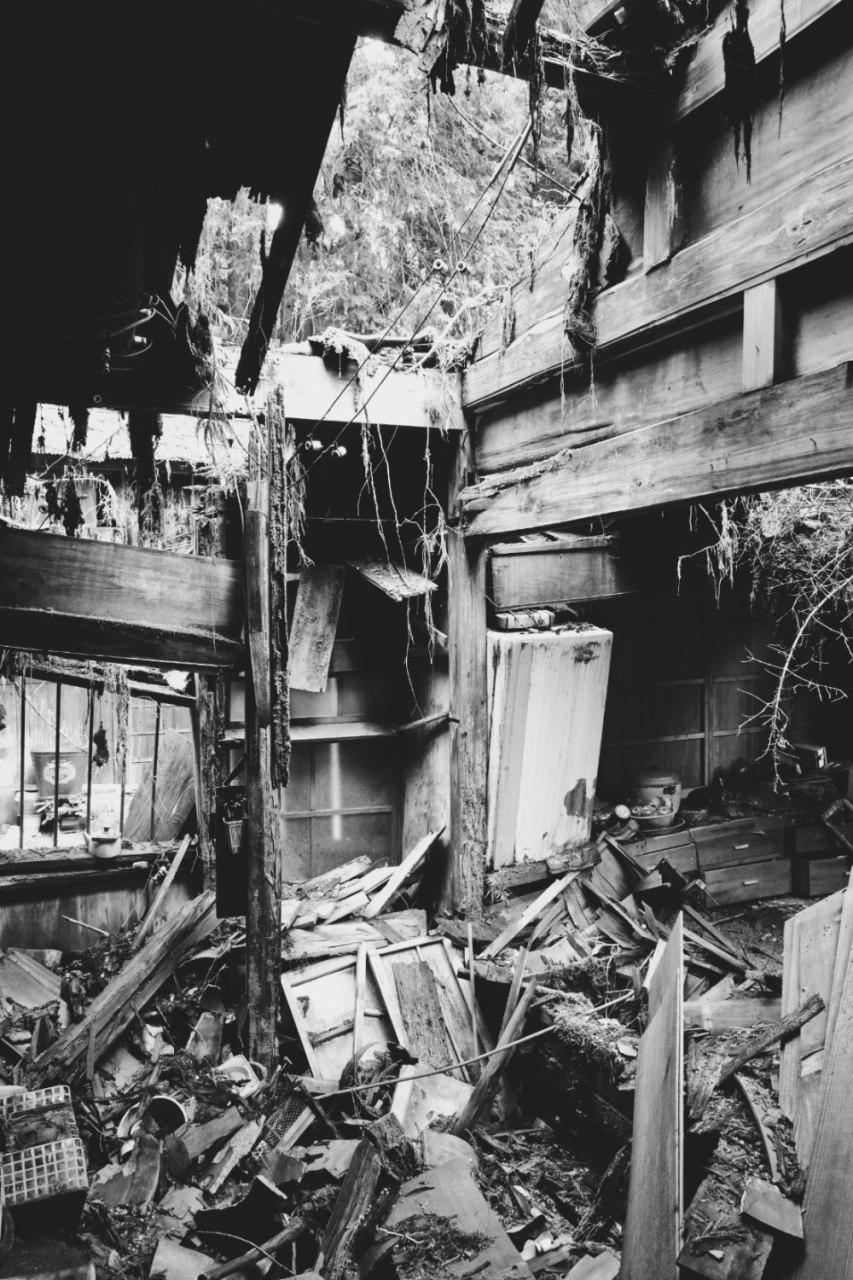
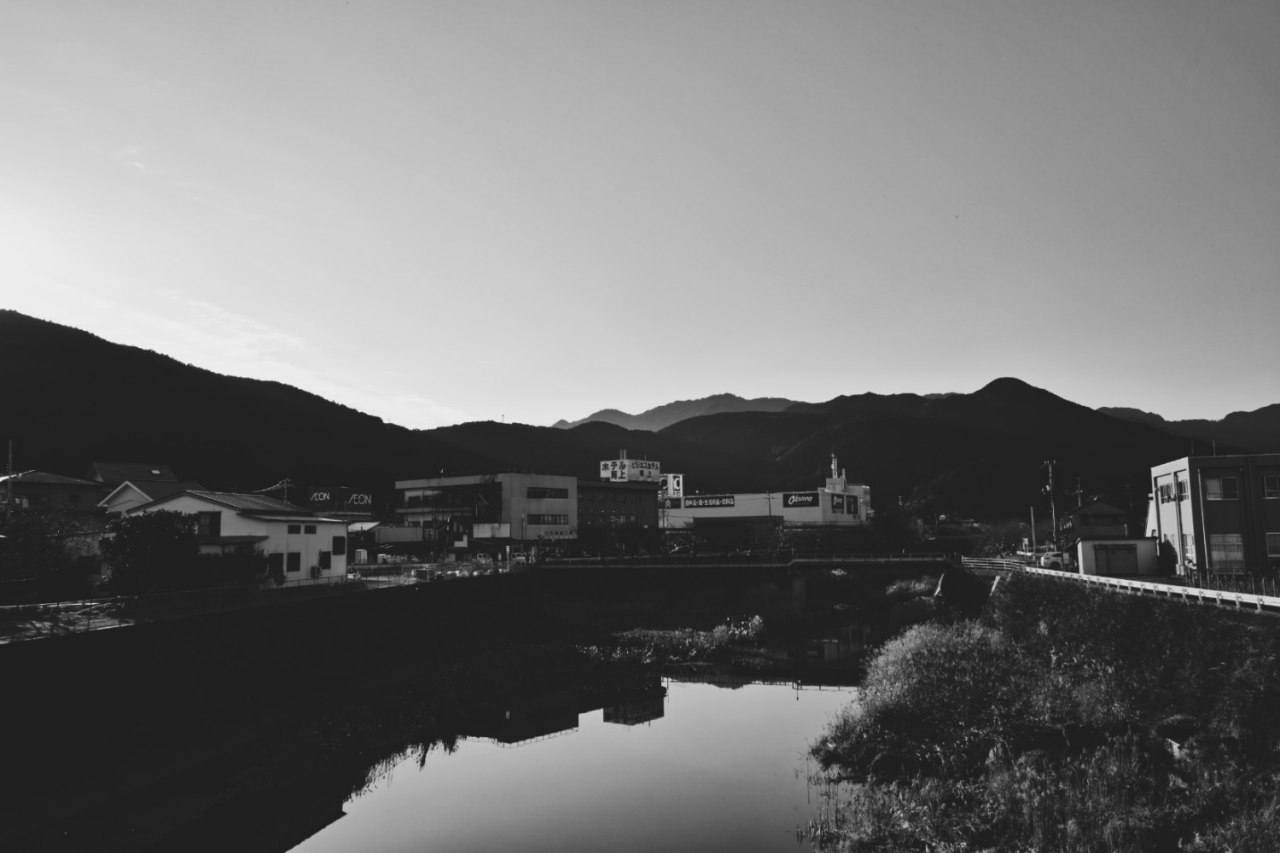
The mountains of Mie have a long history of dying, but somehow, as they say here, life always finds its way. I’m somewhere in between a David Lynch mystery and a Studio Ghibli epic in these pine-covered mountain ranges with crooked creeks of icy cold water and low-hanging dragon clouds clinging themselves to the mountainsides. Everywhere, there is decay passing by the Toyota pickup’s stained window where I lean my head. It’s not the imminent destruction of war but rather the slow passing of life fading away like sand between my fingers. Abandoned houses, cracks in the asphalt road, a bridge collapsed. The village of Kiwacho Hiradani has twenty-two inhabitants, everyone between seventy and ninety years old. Five decades ago, they were over a hundred. Kids climbed the waterfall to catch fish after a day at the local school while their parents mastered their crafts in pine wood workshops, and grandparents maintained the lush tea and vegetable mountainside gardens. The few handfuls of elders that remain still grow their vegetables, catch fish, and walk the mountain paths, but for whom?
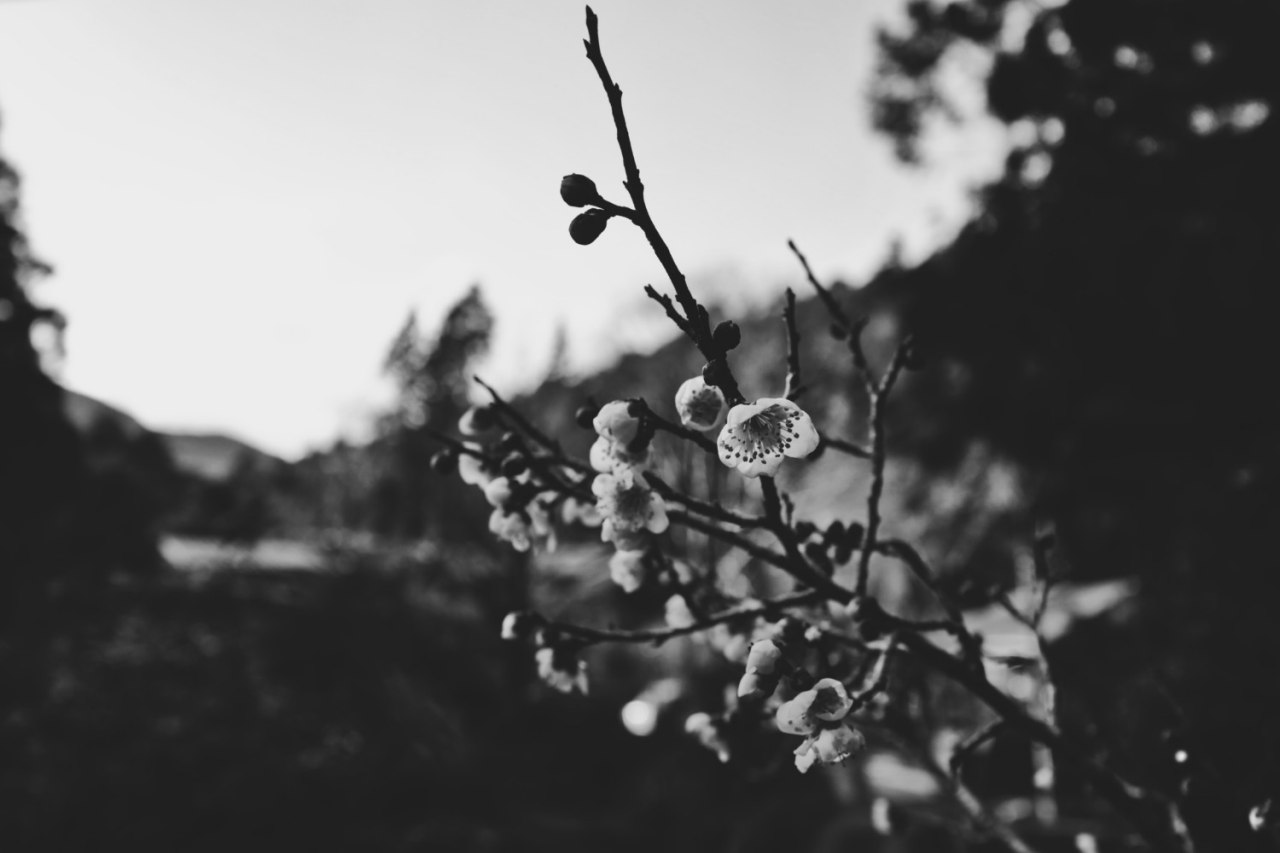
Generations and civilisations fading away is not something new to the mountains of Mie. Already five hundred years ago, during the Edo period, the Kumano pine timber was a highly valued resource in the massive Japanese iconic wooden structures of its time. Old castles and fortifications are shattered across these valleys, erected to protect the lumbering camps from neighbouring warlords, local bandits and rioting farmers. Hiking deeply into the tall, ghastly pine woods, I discover an immense abandoned infrastructure of elevated rice paddies, old moss-covered bridges crossing streams, and whole villages. Built to house and feed thousands of people and left to their own decay as steel, concrete and glass replaced timber frames and rice paper walls. Still, hundreds of years later, these wood structure stands proud. Old planted pink cherry trees and blood-red oaks escaped their manicured garden plantations and are now towering over the ancient remains of humans long gone. Hiking along the old abandoned paths, I watch over the mountain valleys and see another pink-red spot somewhere in the sea of pine swaying in the wind, and I imagine yet another decaying grave.
But life always finds a way, as they say here in the mountains. There is a little bakery on the outskirts of the village; I can’t imagine who finds their way here to buy bread. Still, they make the effort to import the finest flour from Hokkaido and experiment with new seasonal fillings for the curry bread. Because what else is there to do? Almost every weekend, we gather for a spiritual festival; a shrine needs care because the spirits will live on even when the humans are gone. So we better do our best for them. Everyone is doing their best here, my friend, the older Japanese gentleman, tells me before we get back into the Toyota and drive to the roadside twin peakish diner higher up in the mountains. Coffee-and-cake is essential, as are the hotpot dinner parties with homebrew sake and nostalgic love songs. At first, I tried to resist. I came here to hide away from a world dying from global warming, war and hyper-capitalism. I wanted to focus on my writing, computer games, and black-and-white photography. I wanted to be alone, distracted, hidden away, but that’s not how it works here up in the mountains of Mie.
INNOCENCE




About
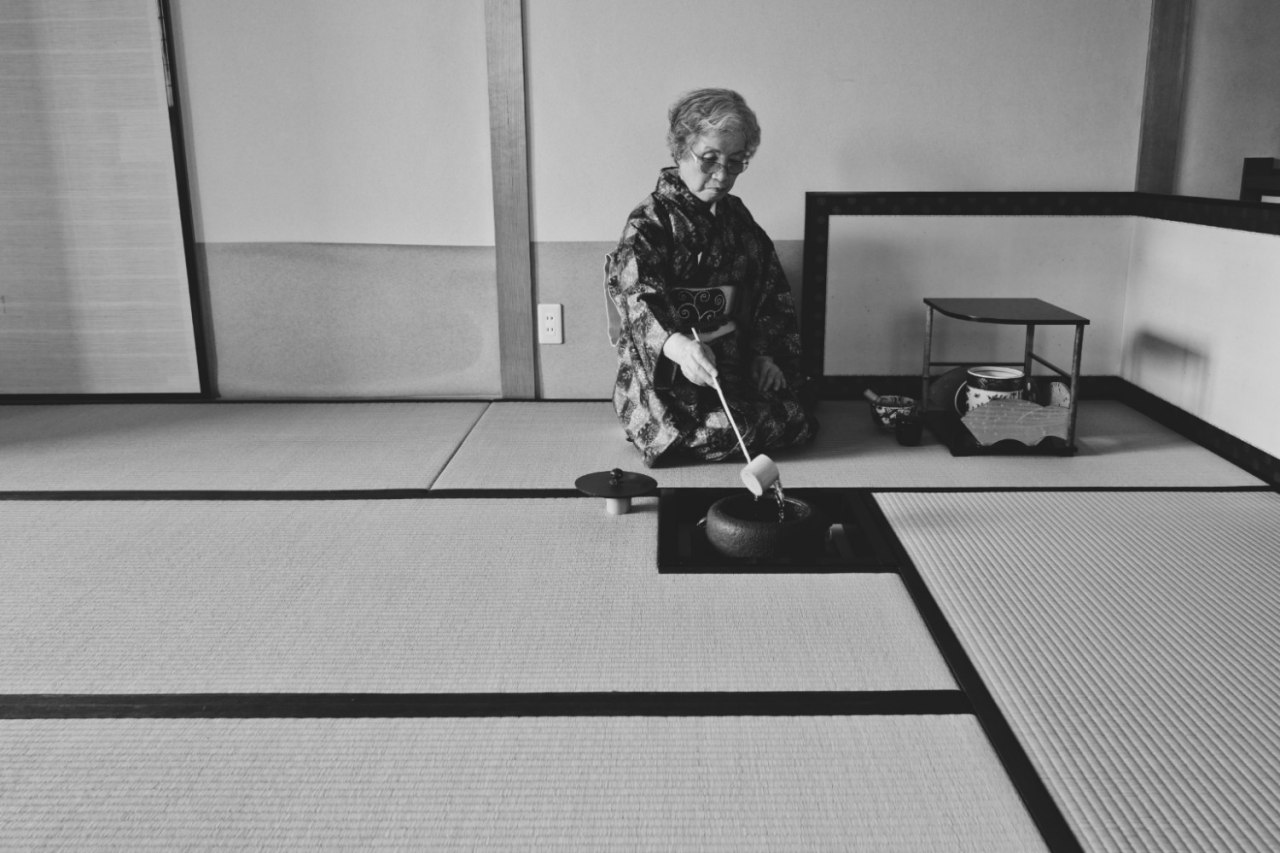
Andreas Burmester (1980. Born in Stockholm. Living in Berlin) is a photographer, writer and workshop facilitator who spent the last decade touring Eastern Europe and the Scandinavians. Previously, his multinational corporate career situated him in Tokyo in the early 2000s, studying the way of tea and flowers (sado and kado). In the book Rituals and Paradoxes: The Intimacy of Belonging in Sadomasochism and Esoteric Eroticism (2023), he endeavours to portray this journey.
Curriculum Vitae
1995 – 2000. Open Source Development (OpenBSD, Calibrex, MAME)
2000 – 2015. Ericsson Telecommunication (Stockholm, Tokyo, Montreal, San Francisco, Maastricht, Pagani) Programmer, Systems Manager, Technical Sales and Agile Coach.
2015. Budget-Level Financially Independent.
2015 – Today. Burmesters Holistiska (Scandinavia, Baltics, Germany, Netherlands, Austria) Independent company creating retreats on Play, Intimacy and The Eros.
2013 – 2014. Studied Neurolinguistic Programming (Stockholm)
2015 – 2016. Studied Medical Massage Therapy (Stockholm)
2017 – 2018. Studied Theater Directing and Pedagogy (Norrköping, Tanzania)
2021 – 2023. Studied Sado (tea) and Kado (flowers) at Ohara School of Ikebana and with Ms. Hide Ohata and Ms. Ryoko Hirota (Tokyo, Osaka, Tallinn)
2021 – 2023. Wrote the book Rituals And Paradoxes: The Intimacy of Belonging in Sadomasochism and Esoteric Eroticism (Stockholm, Osaka)
CONTACT
andreas_dot_burmester at gmail_dot_com
Rituals and Paradoxes
The Intimacy of Belonging in Sadomasochism and Esoteric Eroticism
Above all else, this book is about the intimacy of belonging. It’s an attempt to open a door to that intimate space where we deeply long to belong – and where we might question our right to do so. Even while being obsessed with the taboos of sadomasochism and esoteric eroticism. This book is my claiming the permission to belong as a deviant, queer, and one not journeying along a straight line of normative society.
This book’s title is Rituals and Paradoxes as these elements are what have remained most relevant to me after over twenty years of exploration. I have no intention of resolving the paradoxes I’ve encountered because they are most valuable as unresolved mysteries which reside in both the conscious and subconscious mind. And yet this journey is also an embodied one and one of the spirit.
There are practical rituals designed to nudge us towards experiencing both the desire to belong and the sense of deep belonging. That these are taboo paths we walk along does not obscure the longing for this intimacy.
The book intertwines anecdotal stories from my private exploration, with contradicting bits and pieces from other philosophers and paradoxical sadomasochistic principles. What I’m trying to say is that if you, my dear reader, want to dive into something more deeply there might be better sources and I’ll include them at the end. Much of this book is symbolic, dreamlike and poetic more than a logical, rational and all-encompassing handbook. It speaks in the language of the brave heart’s desire rather than the safe mind’s (illusion of) knowing. I’m convinced that allowing it to remain this way will bring the most value to the right reader in the right time of their life.
So take my hand, follow me. Don’t be scared, I’ve got you.
Table of Content
Foreword
Prologue To The Paradoxes
First Paradox: Being And Doing
Chapter 1: Killing My Patriarchal Father
Moss Gardens In Kyoto
Two Kids On A Balcony
Insecurity In Berlin
Did Fate Lead Me Here
Celebrating The Unknown
Transforming Fantasies Into Rituals
The Importance Of Rituals
You Bring Out The Worst In Humans In The Most Beautiful Way
Dropping A Me For The Sake Of The We
Celebrating Structure
Embracing And Destroying Hierarchy
Chapter 2: While We Fall
The Body Speaks
Consent As Feeling Together
Mushrooms
Anatomy Of A Yes And No
Building Blocks for Playing Safer
Wearing The Leader Hat And Pressing The Stop Button
Saying No Without Stopping The Play
The Doll
Why Play At All?
Chapter 3: Rope Bondage As The Love Child Of Sadomasochism And Esoteric Eroticism
One Take On Explaining Sadomasochism
Sadomasochistic Games For Beginners
Why Mix Sadomasochism And Esoterism
In A Fairytale Land
Why Japanese Bondage Is Special To Me
History Of Japanese Rope Bondage
Shu-Ha-Ri
Leaving The Ropes For Flowers
The Rise And Fall Of A Girl
SECOND Paradox: SELF-SACRIFICE AND SELFISHNESS
Chapter 4: A Longing For Belonging
Sacrificing Everything In Order To Belong
The Narcissist And The Co-Dependent
How Do I Know if I Can Sacrifice Myself?
Exposing The Five Taboos of Sadomasochism
When Devotion Is The Only Option
On Vacation In Spain
Serving And Voyeurism
I Want A Karl-Joosep Too!
Surrender Vs Submission
Chapter 5: Oh, Sweet Selfish Surrender
Are You A Slut Or A Slave?
Don’t Endure Anymore
Life Extraordinary
Preparing The Body For Sacrifice
Breathe In, Breathe Out
Indulging In Suffering
The Little Death
Surrendering To Nature
Impact Of Surrendering On A Grander Scale
Chapter 6: The Art Of Submission
A Sadomasochistic Relationship
Fucking The Open Heart
Four Languages Of Power
Our Fucked Up Eros
It’s An Emotional Journey
Why Shame?
Thank You For Making Me Dance
Consensual Non-Consent
You Are Confusing Love and Obedience
Chapter 7: The Light In Our Darkness
Can I Sacrifice Too Much?
Aftercare, Self-Care and Resilience
Maps And Windows
Relating To Trauma
Trauma And Consent
Addressing Trauma With Bondage
Young Girls Make Great Lovers But Poor Partners
Lolita, Or Playing With Drama
 Andreas Burmester